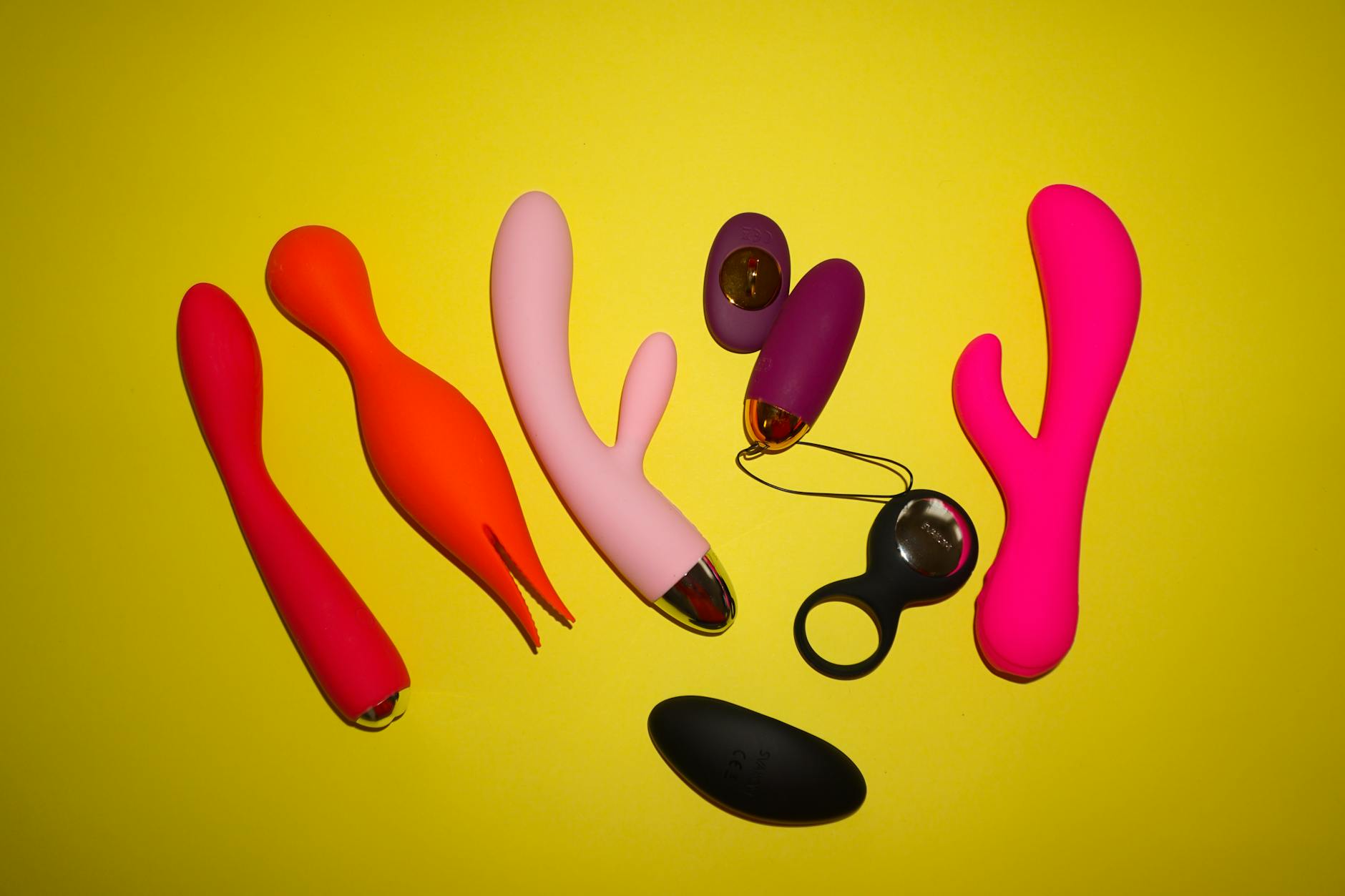
Let's talk about the awkward part
Divorce ends a marriage, but it also ends a sexual pattern. You've been intimate with one person, maybe for years. Now you're with someone new, and your body doesn't quite know the script. Some people feel numb. Others feel hyperaware. Many feel both at once.
This is where most people get stuck. They assume the numbness means something's broken. It doesn't. It means you need a tool that lets you take the pressure off performance and reconnect with your own pleasure first.
That's where lemon vibrators come in, and honestly, they're probably the best thing you could bring into a new relationship after this kind of transition.
Why post-divorce intimacy feels different
There's a physical piece and an emotional piece, and they're tangled together in ways that standard advice doesn't usually untangle.
Physically, your body might take longer to respond than it used to. You might need different touch than you did with your ex. Your pelvic floor might be holding tension you didn't know it was holding. All of that is normal after a major life rupture.
Emotionally, you're carrying something heavier: the weight of knowing that intimacy can end. That changes how you approach pleasure. Some people armour up and go numb. Others overthink every sensation, waiting for the other shoe to drop. The vulnerability that real pleasure requires feels risky in a way it didn't before.
Why lemon vibrators reset the equation
Lemon clitoral vibrators, specifically the air-suction design, work differently than traditional vibrators. Instead of buzzing or humming directly on tissue, they create a gentle suction that stimulates the entire clitoral complex without the intensity of direct pressure.
Here's why that matters post-divorce. When you're nervous or carrying tension, direct vibration can feel invasive. Suction feels inviting. It draws sensation up and out instead of pressing down and in. That difference in sensation can be enough to unlock your nervous system and get you out of your head.
You can also use a lemon vibrator solo before you're with your new partner. That matters. It's a way of saying to yourself, "My pleasure is mine first." You're not trying to perform for anyone or prove anything works. You're just finding out what feels good again, at your own pace.
The two-person angle
Once you've had time with it solo, bringing a lemon vibrator into partnered sex does something really useful. It removes the expectation that your body has to respond the same way it might have years ago.
Your partner gets to watch you use it. They get to learn your rhythm, which is often completely different from the rhythm you had with your ex. That's information. Good information. The kind that makes sex better because nobody's guessing.
There's also a psychological shift. Using a vibrator together says out loud: we're building something new here, not recreating the past. It's collaborative. It's honest. Both of those things matter when you're rebuilding trust in intimacy.
Specific things that help in the early months
Start conversations early. Don't wait until you're in bed to mention you want to use a lemon vibrator. Text them a link. Talk about it over coffee. The more matter-of-fact you are, the less it feels like a secret or a last resort.
Use it solo first, regularly. Give yourself at least four to six weeks of solo exploration before you bring your partner in. This isn't about hiding it. It's about knowing what you like before you try to show someone else.
Let them control it sometimes. Once you're comfortable, handing your partner the device can feel vulnerable and intimate in a good way. They're literally holding your pleasure. That trust takes time to build, but when it's there, it's powerful.
Go slow with pressure and intensity. Lemon vibrators usually have multiple patterns and intensity levels. Start at the lowest setting, even if you've used vibrators before. Your nervous system is in a sensitive state, and gentler often works better than what you remember.
Lubrication helps, always. Water-based lube makes the suction feel smoother and less intense. It's not a sign anything's wrong. It's just considerate to your tissue and your nervous system.
What to watch out for
The biggest mistake I see is people expecting the vibrator to fix the emotional piece. It won't. If you're feeling disconnected from your partner or you don't actually trust them yet, a vibrator isn't going to bridge that. You have to do the emotional work first, then the vibrator is a tool that makes the physical piece easier.
If you're using the vibrator to avoid talking about what happened in your marriage, that's a warning sign too. The vibrator isn't therapy. It's not a replacement for building real intimacy with your new partner. It's a tool to help you rediscover your own pleasure so you can be present in the relationship.
And here's the thing nobody says out loud. Sometimes after divorce, your body just needs time. Not years, but months. A lemon vibrator can help, but it can't force your system to open up faster than it's ready to. Patience with yourself is the actual medicine.
The timeline that usually works
Weeks one to four: solo exploration, getting comfortable with how it feels on your body, no partner involved. Weeks five to eight: bring it up with your partner, maybe use it with them present but not involved. Weeks nine to twelve: begin integrating it into partnered sex, starting with you using it while they're inside you or touching you elsewhere.
That's a rough guideline. Your timeline might be faster or slower, and both are fine. The point is giving yourself permission to ease in instead of jumping in.
Why this matters beyond the physical
Rebuild after divorce is really about rebuilding your relationship with your own body. For years, your body was shared. Someone else's preferences shaped what you did. Now your body is yours again, and figuring that out is part of the divorce recovery process.
When you use a lemon vibrator, you're learning your body again. You're learning what turns you on now, not what used to turn you on. That information is valuable in a new relationship because you can actually tell your partner what you want instead of guessing or defaulting to old patterns.
A new partner who watches you discover your pleasure again will respect that in a way that deepens the relationship. You're not asking them to fix you. You're showing them how to love someone who knows themselves.
People also ask
Is it weird to use a vibrator with someone new after divorce?
No. Lots of people bring vibrators into new relationships after major life transitions. It's actually less weird than trying to pretend you're responding the same way you used to and hoping your partner doesn't notice. Honesty and tools beat faking it every time.
How do I bring it up without making my new partner feel inadequate?
Frame it as something you want to explore together, not something they're failing to provide. "I want to try this with you" lands differently than "I need this because you're not enough." Tone and context matter. Most people appreciate knowing what works for their partner.
Will using a lemon vibrator solo make partnered sex feel weird?
Actually, the opposite usually happens. When you know what you like, partnered sex gets better because there's less guessing. Your partner benefits from knowing your actual preferences instead of working in the dark.
How long after divorce should I wait before trying new things sexually?
There's no magic number. If you feel ready and you want to explore, you're ready. Some people need a few months. Others need a year. Listen to your own timeline, not someone else's rule book.
Can a lemon clitoral vibrator help if I'm feeling numb after my divorce?
It can help you reconnect with physical sensation, which is often the first step in dealing with numbness. But emotional numbness after divorce is also a valid protective response. A vibrator helps with the physical piece. A therapist helps with the emotional piece. You might need both.
What if my new partner isn't interested in using vibrators together?
That's information too. You can still use it solo, and that's valuable for your own pleasure and self-knowledge. But if your new partner refuses to engage with something that matters to you, that's worth exploring in conversation. You're looking for someone who respects your body and your choices, even if they're not personally into it.
The real point
Divorce is a death and a beginning. Your sexuality gets to be part of the beginning, not a ghost of the death. A lemon vibrator is just a tool, but it's a tool that helps you own your pleasure instead of waiting for someone else to hand it to you.
Your new partner gets to watch you discover yourself again. That's actually one of the most intimate things that can happen in a relationship. Start there.
If you're ready to explore what works for your body, solo or with a partner, we've got tools and information at Hello Nancy to help you through the process without shame or pressure.